
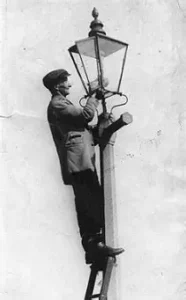
A lamp lighter in yesteryears
I look back at what we have discarded in the process of development and remember many things the British brought to India that we do not see anymore. The modern era has ushered India into the computers and cell phones, digital world of TV and communication at a breakneck speed. No one can foresee what the future will bring, but we can see the social effect of the technology that has made people less social, more apathetic and greedier. There were some good things about the past we have discarded.
It is nice to remember the things that are no more or people who have long disappeared from the collective memories of humankind because one day we too will disappear, wondering if anyone will remember us.
Let us face it. People have short memories and someone no matter how famous he was in his days is forgotten or dimly remembered by the old people but unknown to the young generation who one day also will become old, and the next generation will not know who was Madonna or Rihanna or Barack Obama.
But I want to write about the time when I was young and saw and remembered many things that have totally disappeared today.
In the 1950s: The British had left India only a short three years ago, but all things British remained in India. I did not know anything about the freedom struggle or who was Netaji Bose or Gandhi was, but my father knew. He used to sing patriotic songs in Bengali to us because the independence was so new then and people were still trying to get used to it so the patriotic songs were still in vogue.
Our morning assembly at school always started with patriotic songs that I cant remember now except a few lines, but we were told that the British are gone for good, and we are all free for the first time in our history, that our form of government is democratic and our leaders like Bose and Gandhi are the heroes.
But as kids we were not too keen on such things because we did not know what it was like to live under British rule, and we had never heard of the massacre at the Jalianwala Bagh in Amritsar or where Amritsar was. We learned about these things much later.
What we thoroughly enjoyed was the monthly show of Laurel and Hardy, Charlie Chaplin and other such movies that were shown on a big bedsheet strung up on two bamboo poles in our playground in school, and we could sit on either side of the screen and did not care if Charlie Chaplin was using his right or left hand because he was so funny. The fee called entertainment fee was collected by the school each month, but it was only 25 cents of a Rupee. Our tuition fee each month was only 3 Rupees but to put it from a proper perspective, one Rupee could buy one kilo of mutton and 150 Rupees a month was considered a good salary in those days.
The post card envelops and inland letters were stamped so you did not need to buy stamps and glue it on. People used telegrams to send mostly bad news like so-and-so has died etc. so a telegram was always dreaded. The telegraph people often mistyped the words on a white paper ribbon, which they tore off and glued onto a telegram form that were then rushed to delivery. There was no such thing as telex then.
Our home entertainment was around the Raymond radio that our father bought and strung up a wire mesh aerial on two bamboo poles to get a good reception. It was made in England, as were most of the things then, but the radio took a while to warm up the glass tube like receptors called vacuum tubes. There was no transistor those days.
There was no television either. The radio had to be licensed at the nearest post office, and Pa had to pay an annual fee to use the radio. People did not know that there are other kinds of radios like two-way radios that police use because the police did not have radios and only carried sticks or batons as per British tradition.
I remember an old man bent with a ladder on his shoulder and a can of kerosene in one hand slowly walking up to light the lamp posts every evening because the streetlights were just kerosene lamps and the old man was called the lamp lighter just like in England.

a bicycle lamp
We had a small kerosene lamp that fit in front of our bicycle to give a little light, but not much. The adults wore long pants and a steel clip to hold the pants near the ankle, so the pants would not get caught in the chain of the bicycle. Many men wore a British style khaki hat made of light material and kept well styled mustaches. Snuff was kept in a fancy small pocket-size vial because that too was a British introduction to India.
The British were innovators par excellence. I will give them that. They made a canvas bag called hold all in which one could keep a blanket, a pillow, some clothes, towels, shoes and other paraphernalia that people needed to travel with. This thing folded neatly and was then rolled up and tied with straps of leather and could be easily unfolded on a wooden bench seat on a train to make a comfy bed to lie down on. The third class in trains had only wooden benches, and people got in or out through the windows if the trains were overcrowded.
The trains waited near the outer signal before entering the station if the platforms were occupied. Now this outer signal was a piece of British sophistication in those days because it too functioned on a kerosene lamp that someone had to light up every day and keep the kerosene tank filled. The signal man pulled a long lever that brought the red, green or yellow lens in front of the lamp to give the appropriate light to the driver of the train. Ingenious. This was the same system in England. They had many different gauges of tracks. The broad gauge, the meter gauge and the narrow-gauge making train travel difficult because one had to transfer from one gauge to the other.
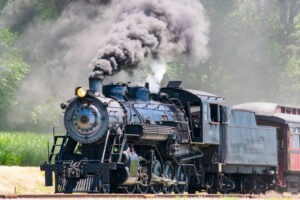
But what was most impressive to a child like me was the gigantic steam engine called Canadian engine that shook the platform when it came and hissed and blew the horn to put fear into our infant hearts. The fireman shoved coal into the furnace to make more steam, and the driver polished the machinery constantly. Once I took to train to Kolkata and arrived there looking like an African, so dark was my skin with soot not to mention my hair, but that was nothing compared to the joy of riding a train.
There were many such inventions brought to India by the British. They built railway lines in many parts of India and brought engines and the hardware needed to run an efficient railway system. They built bridges and tunnels They brought sections of bridges made in England and assembled them to make a bridge over many wide rivers that still stand today to serve the railway needs.

The British built railway bridges that still serve the needs of the Indian railways.
They built the railways to serve their own needs of extracting Indias mineral wealth and industrial goods to transport to the port to be sent to England. It was not built for the Indians to travel from one part to the other.
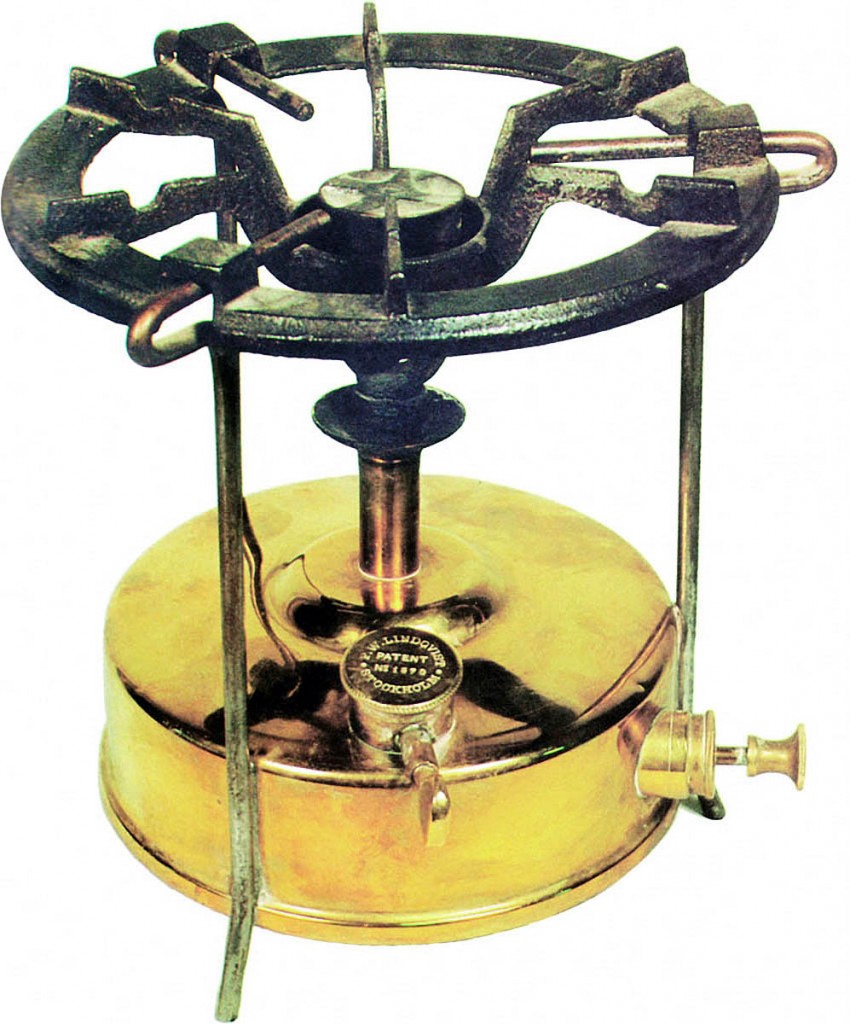
the primus stove was found in every household
One of them was called a Primus stove. This piece of wizardry had a place of its own because it was a small brass kerosene tank with three small legs with a small spindle in the middle with a cup around it. You filled this cup with alcohol or some flammable liquid, light it to heat a small metal disc on top and then pump the tank with a piston attached to it.
The spray of fuel on the hot disc produced a high heat flame and made the disc red-hot. It was like a Bunsen burner that we used to use in our chemistry labs later in college days. You could cook anything on this stove in minutes, except that it was unstable and sometime tipped over, causing the fuel to spill and light up instantly. There were many accidents and women using this kind of stove died horribly, so eventually it was banned.
Another British invention was the bachelor’s stove, which was very popular with young British men who came to India alone and often worked in remote areas. This contraption was very simple and cylindrical. It had a charcoal burner at the bottom, and a series of cooking pots that fitted on top of each other with a handle on top.
You could put rice and water in the bottom pot, put a pot of water on it and put mixed vegetables in the third and so on. It all got cooked by steam, and the bachelor had a decent meal anywhere. My father had one like that, but I never saw him use it, though.
Then they brought to India the famous Duck Back raincoat. Imagine that even a raincoat was imported from England. It was called Duck back because the rain fell off like from the back of a duck. Well, the list is long, but I just wanted to touch on a few things I remembered in those days, but they all have disappeared now.
The railway uses modern electronic signaling system now installed by Siemens and gone are the steam engines and multiple gauge system. The trains now have bars on Windows so no one can get in or out through like in the old days, and the second-class coaches have thick cushions, so you do not need holdalls.
They also left behind marble statuary everywhere, reminding us all that once they were the masters. The marble statue of queen Victoria sat under a huge marble canopy in the middle of the New York Central Park size park in our hometown called Alfred park, holding a scepter. It was brought from England and made to perfection, but her nose was broken by some kids later who had no fascination for her during the heydays of the freedom struggle.
Then there was a huge marble monument in another park called Minto park where the faces of royalty like Victoria, King George V, Lord Minto etc. were placed on each side of the monument, but they are all gone now. The inscriptions are also chiseled out, just like what the ancient Egyptians did to their pharaohs whom they did not like. Maybe the Indians took their cue from the Egyptians, I will never know, but it took them quite a while to remove all the statuary from India.
Today: Today, India is a very different country from those days when we were young. I saw the transformation starting to change the landscape when back in the 1960s I saw the electric cable being strung up on top of the railway bridge that I used to cross every day to go to college. Soon came the electric trains and diesel trains that doomed the old-fashioned Canadian engines belching black smoke.
New roads, highways, bridges, airports, housing and many such infrastructure sprang up like mushrooms everywhere. Massive new housing projects, new hospitals, schools and other such buildings came up just like magic and has not abated. India continues to grow at an astonishing rate, and it can be seen. The new subway system in all major cities that rival the best in the world now carry millions of people daily.
You no longer have to wait in line to buy a railway ticket or bus ticket anymore because it is computerized and can be booked even online.
The airlines issue e tickets and e checking facilities at major airports, and the number of airlines has increased dramatically. Their service is another matter, but the fact is that more and more people are travelling by air or in high speed trains.
What is remarkable is the number of motor vehicles on the road now that are creating horrible traffic jams in cities, and parking is becoming a serious problem everywhere. People have graduated from bicycle to scooter to motorcycle to cars in a matter of only one generation.
No one during our childhood had a scooter, let alone a car. We either had rickety bicycles or just walked. Most of these vehicles are now being made in India in mind-boggling varieties of models and sizes.
There was a time when one had to wait for five years just to buy a scooter because it was a monopoly then. The monopoly was later broken, allowing anyone to manufacture scooter or motor vehicles.
One can see another change in India that is very interesting. You can see towers of cell phones or communication towers loaded with antenna of all sorts in all parts of India, specially in rural areas that are increasingly being electrified and joined with concrete roads. Farmers and the common people now use cell phones, which has brought about major changes in business practices and the way social services are being delivered everywhere. You also see hundreds of windmills and huge solar farms in some parts.
Gone are the days when people had to vote by ticking on a ballot paper. Now it is electronic and tabulated nationwide in a matter of days right after the election. People are given their salaries or monies earned directly to their account by the government, cutting out the middlemen and reducing corruption and exploitation.
The government stores food grains, dals, sugar etc. in massive quantities in every district in every state to be sold at subsidized prices to every citizen, so everyone has access to low-cost food in the whole country. This is a big change from our days.
Another big change is in the availability of generic drugs that are made in India and sold at a low cost to anyone. This causes problems with international drug companies that want to sell their high price drugs, but the Indian government is pro poor, so encourages generics.
The school children in some states are given free bicycles, books and even cheap laptop computers which is a big change from our days. The government feeds millions of school children daily. All children in all schools were given free vaccinations, eye check up and other free medical check-ups that continue today. The smallpox and malaria has been eliminated as a scourge in most part, and people no longer die from TB these days.
We did not know about such things as computer, internet or cell phones because it did not exist. Nobody believed that someday you could talk and see at the same time on Skype anyone anywhere in the world for free. Nobody knew about digital cameras and its ability to send photos instantly to anyone, anywhere. These modern gadgets have brought profound changes in todays society in the way they communicate with each other.
The television has come to India in a very big way, almost beyond belief. I counted 82 satellite Chanel providers in one city alone, so everyone is hooked to satellite TV watching CNN, BBC etc. but also foreign movies from Hollywood that are being dubbed in local languages and spread throughout India. Almost every home has the TV, fridge and other gadgets that were once limited to rich people, proving that the middle class is growing and creating more demands for goods and services.
New malls are springing up in big cities, giving people more choices and quality products and services that the old system could not.
Even Uber and similar services are at the fingertip of anyone who wants to rent a car or taxi, giving people more choices. India has opened up to the world in a big way.
In short, the wide range of products and services that are now available have made life a lot easier than before for the average person but at what cost?
Tomorrow : Now I come to the last part to assess the impact of the breakneck development on people and how they interact socially with each other.
Now the kids seldom play together like we used to and are glued to their TV or computer to play video games. Now people seldom drop by to see how you are doing and have a cup of tea or take a walk together in the park like we used to.
Now everyone has a cell phone in his or her pocket peering constantly at it for new messages in Facebook or Twitter and pays little attention to his friends or anyone.
India has gone from bullock carts to space age in a short time that took the western countries many generations to achieve, but has also paid dearly in terms of devaluation of basic humanity we took for granted during our time. One seldom hears the words like thank you or please, and there is less emphasis on a person to person contact.
Now no one has any time for you or play carom board or ludo or monopoly. They say those are obsolete games today, so the social interaction we used to have has diminished drastically.
If cell phones, curved TV or gadgets could improve the quality of life of a person then just look at the so-called developed countries that are finding it so hard to cope with teenage pregnancies, immorality, gun violence, domestic violence, drugs and the social problems that are the result. People are being thrown into jails for years just because of a broken tail light or worse. A young girl suffering from cancer and with severe disabilities is thrown down and beaten by the agents at the airport just because she could not understand what they wanted. They showed no compassion.
A young man is shot dead because he was pulling out his Bible from his pocket, and an autistic child is shot dead because he was playing with a plastic toy gun. Will India become like them in the race to become a developed country? I hope not.
An incredible country called India
India is blessed with great natural beauty of the Himalayas and the ghats, as well as the abundance of flora and fauna that are unique. It is a country of majestic palaces and forts to remind you of a great bygone era when mighty kings and queens ruled. It was the jewel in the British crown during their colonial period. The country is also famous for its spirituality that has produced great leaders and thinkers like Swami Vivekananda and Sri Rama Krishna Dev.
I have for quite some time wanted to write about India, the country where I was born, grew up and was educated but eventually left to settle down somewhere else. I was born in a country at a time when it was going through tremendous political turmoil and nationwide upheaval unprecedented in its long history.
India was in bondage for a long period in its turbulent history and the foreigners like Babur or the British, French, Portuguese and even Dutch, all tried and some succeeded in getting a foothold in this ancient land of milk and honey, of extreme riches and extreme poverty side by side.
They brought with them their brand of religion, their culture, their trade and commerce and most of all their greed to exploit the country that they claimed in the name of their monarchs or their religion and ruled ruthlessly, causing immense loss of life in order to establish their firm control over a land mass that stretched from Afghanistan in the west to Burma in the east and its diverse and culturally distinct people who were unique in the whole world.
Babur as a child was mesmerized by the tales of Hind that was somewhere in the south of Central Asia where his father ruled as a monarch, and he constantly begged his nanny to tell him more about Hind that was like a fantasy land so full of riches and vowed at that age to someday go and become a king there.
He took his first step as a young ruler to gather a huge army in Afghanistan and then marched on through Khyber pass to engage the ruler of India in a battle north of Delhi in the plain called Panipat, defeated the sultan of Delhi and firmly established his rule over a small part of India that grew over a period of time and set up the Mogul dynasty. They ruled India for hundreds of years and were defeated by the British when the last Mughal ruler Bahadur Shah Jaffar was taken prisoner and sent to Burma, where he died in his old age.
But long before Babur ever came to India and set up the Mogul dynasty, there were other rulers from Afghanistan who repeatedly invaded India through the Khyber pass and set up their sultanate in Delhi, among whom Lodis were prominent. One can see their mausoleums in Delhi in the midst of acres of garden. Others were purely marauders who came to loot, pillage and kill every year and left with booties loaded on camel caravans miles long because looting India was so profitable. The spread of Islam by their sword was just a bonus and bought them indulgences and a permanent place in their paradise, where 75 virgin houris waited on them hands and foot if they happened to die doing so.
The temple of Somnath known for its riches was looted no less than 15 times by the same gang of bandits who were pleasantly surprised that the temple had so much for them to loot and pillage and had no defenses.
But going back in history, it was Alexander who came to India to loot, defeated the King called Puru and asked him how he should be treated. Puru answered that he should be treated the same way a king treats another king, which impressed Alexander, and he decided not to invade and went back to Macedonia.
His soldiers were tired of long endless wars and wanted to return home to their families and wanted no more to fight in a strange land where thousands of armored elephants formed formidable defense lines that they could not easily penetrate and took heavy losses. They were also sick of the heat and mosquitos.
The Arabs called him Sikandar, so this name stayed in India. Akbar the great Mogul who wished to be buried in a place called Sikandra near Agra had a big mausoleum built for him, but people have forgotten how the name Sikandra came into being. Most people do not know Indias long history.
A Portuguese explorer called Vasco de Gama came to India to trade centuries ago and the Portuguese managed to get hold of three places, Goa, Daman and Dieu where they set up their colonies until they were forced out by the Indian army back in the 1960s. Nasser helped block the Suez Canal to stop the Portuguese sending the soldiers to take their colonies back.
When people come to India for the first time, their senses are assailed by strange sounds, smells, aromas, crowds, a cacophony of everything strange, a riot of colors, flora and fauna in abundance, beautiful peacocks pecking at insects in the vast gardens of Delhi, extreme riches and poverty side by side.
Nowhere in the world such a contrast exists, and they cant make up their mind as to what to think of India. Most will just visit the Taj Mahal, see a few palaces in Delhi and Rajasthan and go back home. A few will wander to see other parts of India and will be mesmerized by what they see. From the lofty snowy peaks of the Himalayas to the end of the land in Kanyakumari and from the green emerald tea gardens of Assam to the desert sands of Rajasthan, India never fails to impress anyone with its ever-changing landscape.
I used to think of India as a jewel wrapped in rags, but those rags are finally coming off and India is emerging as the fastest growing economy in the world.
But that is the physical beauty of India that most tourists see and pay a price to see it. The tourists, local as well as the foreign are always taken advantage of by the hordes of unscrupulous people who swarm around as soon as they figure you out for a sucker. In that sense they are no different from the Italians or Greeks and others who do exactly the same and laugh at you behind your back.
The spiritual India:
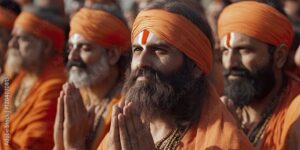
Most Hindus in India are spiritually inclined
What most people do not get to see is the spiritual side of India, on which many books have been written. Hinduism is the only religion that does not have a leader, a prophet like Moses or Jesus or Mohamed who gave rise to a religion, and his followers then wrote a book called Bible or Quran to guide their co-religionists.
No. India does not have a book, but India has the ancient scriptures called Vedas, Upanishads, Puranas and the stories of Mahabharata and Ramayana. No one knows how old are the scriptures and who wrote them and can only make a guess work like the Scriptures called Vedas were written some say 3500 years ago and others say over 8000 years ago before Mohenjo-daro and Harappa. But no one is sure.
They know who wrote Ramayana and Mahabharata and who Ram was and where he was born, although the Thais and others claim Ram as their own and will show you Ayutthaya as their proof. By the way, Ayutthaya is the Thai version of the name Ayodhya in Uttar Pradesh where Hindus believe Ram was born and lived.
The invasion of Muslims and the forced conversion of Hindus to their faith and later the British missionaries who converted some to their brand of Christianity has not been able to suppress Hinduism because Hindus embrace all religions as the manifestation of the same God and try to assimilate them. They show respect to Muslim Pirs and visit their mausoleums, but they could not assimilate Muslims like others, but that is another story. I will not write that story.
Many Muslims and Christians disappointed in their faiths reconvert to Hinduism and are welcome through programs like Return home or Ghar wapasi. But Hindus are not proselytizers like Christians and Muslims, and do not believe in exporting their faith to other lands because they feel that they do not need to convince the world that it is a great religion.
It is called the ancient religion or Sanatan Dharma for a reason. It is the oldest religion whose origin is still shrouded in mystery, but more and more people join it and practice it now than ever before. While it is true that some Hindu traders spread the religion to the Khmer empire that grew up in Cambodia and other places like Bali in Indonesia and even Thailand, but they were not missionaries per se and did not spread the faith through the sword.
Hindus tend to assimilate people of other faiths and thereby smother the harsh tenets of those faiths. So Buddhism which was once a prevalent faith throughout India was assimilated and now one hardly sees Buddhists anywhere except a few places like Dharamshala or Bodhi Gaya. Hindus call Buddha an avatar of Vishnu, so venerate him as God. Vishnu has many avatars like Ram, Krishna, Buddha etc.
They also accept the good teachings of any faith and later call it their own. The non-violence as practiced by the Buddhists is now a part of Hinduism and ban on slaughter of cows during the Buddhist period is still practiced by Hindus who are mostly vegetarians. Originally Hindus were not vegetarians though. They ate all kinds of meat including beef and drank alcohol called Somras made from some plants during the Vedic period thousands of years ago.
The Sikhs are also considered a part of Hinduism because they still have Hindu names like Surendra, Virendra etc. except that in their language they write it as Surinder or Virinder. They have their own prophet called Guru Nanak and their own scriptures called Grantha Sahib which contains the words of wisdom of Guru Nanak, but that is ok with the Hindus. Sikhs were Hindus who took up arms against the Muslims who tried to convert them by force, and developed their brand of faith based on the teachings of Guru Nanak.
Their faith tells them that to be a Sikh, they must always have five things on them. Those five things are long hair and beard, a comb in their hair, a knife, a steel bracelet and cotton underwear which each have a definite purpose.
Among the Hindus there are many factions and many sects that often do not agree with each other just like the Christians or Muslims, but they stand united as Hindus and believe that their religion is more of a way of life than religion. They are also taught to be tolerant of other faiths, sects and factions, so there is a sort of harmony that exists among Hindus, although they may not entirely agree with each other.
Later came some Hindu evangelists like Swami Prabhupada who went to the United States and established what is known today as the Krishna Consciousness movement which grew from its humble origin in New York to what it is today, a worldwide phenomenon but this is a recent development in the spread of Hinduism.
Of course, there are gurus or fake swamis who are a dime a dozen and take advantage of the western fascination for the Hindu faith, set up their shop somewhere and rake in millions of dollars. Religion has never been so lucrative if you know how the crowd, specially young and listless who are fed up with their incessant materialism and consumer greedy culture. They give the religion a bad name but get rich just the same.
But there are those Hindus who reached a very high level of spirituality and who continue to inspire millions of India today, including our current leaders.
One such great man was Swami Vivekananda, who in 1893 went to Chicago where an interfaith conference was held for many days and where he addressed the people as My brothers and sisters of America. After that people waited in thousands to hear him and followed him wherever he went because they had never heard such a forceful presentation of Hindu philosophy that they liked so much. His fame then spread throughout the world as one of the great spiritual leaders and his work published in 8 volumes is widely read.
Today if you go to Kanya Kumari, you will see a magnificent temple built on the rock where he used to sit and pray and where his granite life-size image adorns the temple visited by millions. Belur is the headquarters of the Rama Krishna Mission that he established that serve the poor and where a majestic temple has been built to honor the swami and Shri Rama Krishna Dev.
But India produced many such great spiritual leaders like Shri Rama Krishna Paramhansadev, who lived in Dakshineswar and taught young Vivekananda the essentials of spirituality and how to attain them. Many great leaders like Raja Ram Mohan Roy, Ishwar Chandra Vidya Sagar and many others had great impact socially to guide the youth of that period away from the western influence, alcoholism and other addictive vices.
India is called the land of spirituality because of such great men who were born there and taught there. Remember, Buddha himself was born in India because in those days there was no place called Nepal.
Krishna was born in royalty but his uncle who was the king in Mathura was told that a child will be born to his sister who will later kill him. He was a tyrant and fearful for his life so had his sister jailed and had all the children born to his sister killed one by one until Krishna was born as the 8th child, and he was somehow smuggled out of the jail and raised in Vrindavan by a milkmaid called Yashodhara. Later, Krishna as a young man kept the promise of his destiny and killed his uncle Kansha and saved the population from the rule of a tyrant.
Krishna later on played a key role in the battle of Mahabharata, where he sided with the Pandavas and convinced Arjun to fight the battle as it was the right thing to do to fight evil. His words spoken during the battle are the Gita that Hindus venerate as the word of God.
So throughout the long history, people like Krishna and Buddha were born to show the Hindus the right way to live and attain a high level of spirituality.
Not everyone takes Krishna or Buddha or the teachings of Vivekananda seriously and many live a life of dishonesty or crime, but by and large Hindus are religious people who give alms to poor people and help them out in many ways. My Ma used to give money to charities and to the orphans every month, and always gave alms to anyone who came to our door.
The beauty of India:
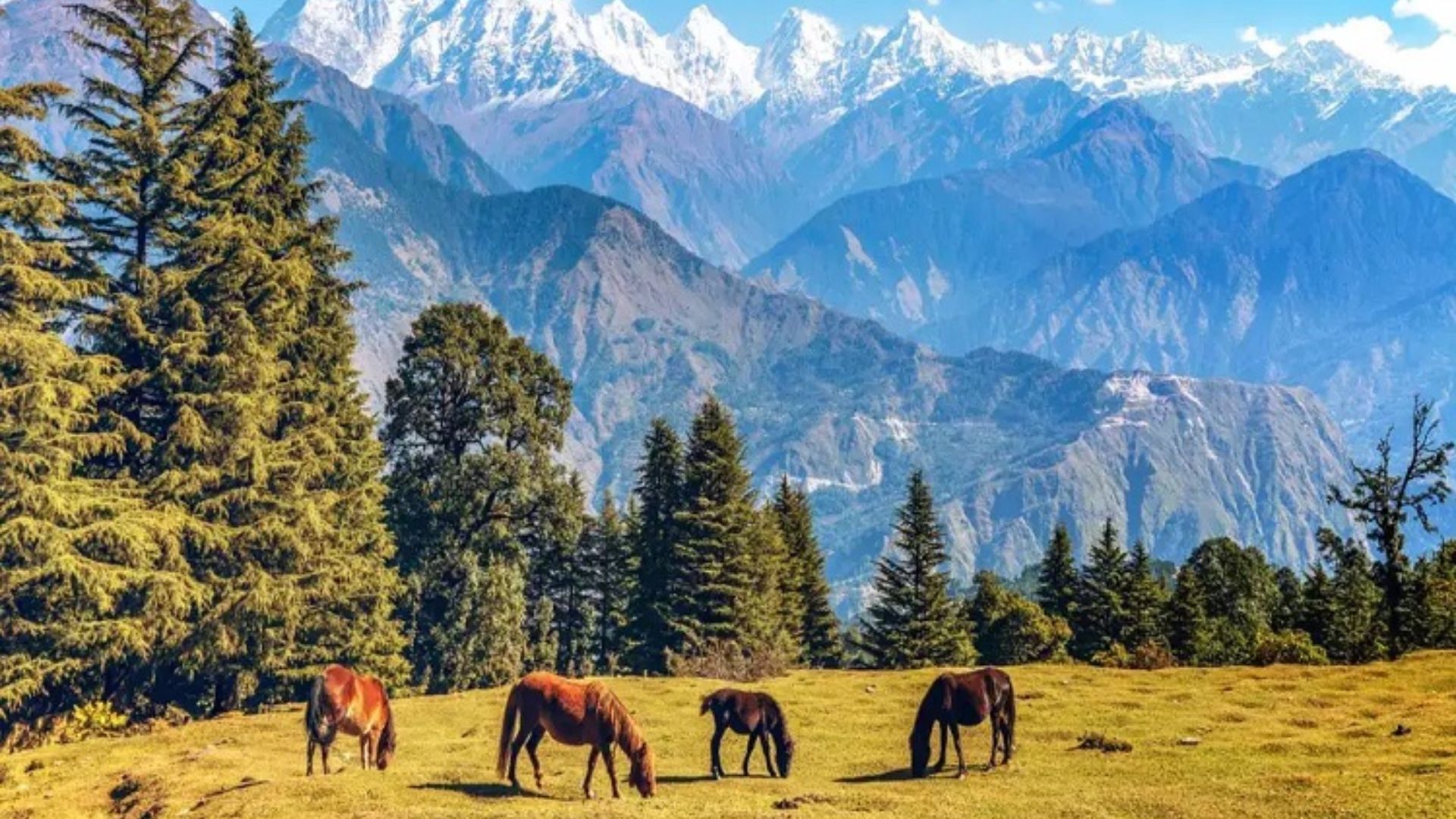
India is a beautiful country no matter where you go
Now I want to write about the beauty of India as a country, although I may be biased because I was born there, you can be your own judge and make up your own mind. I have written on many subjects in India.
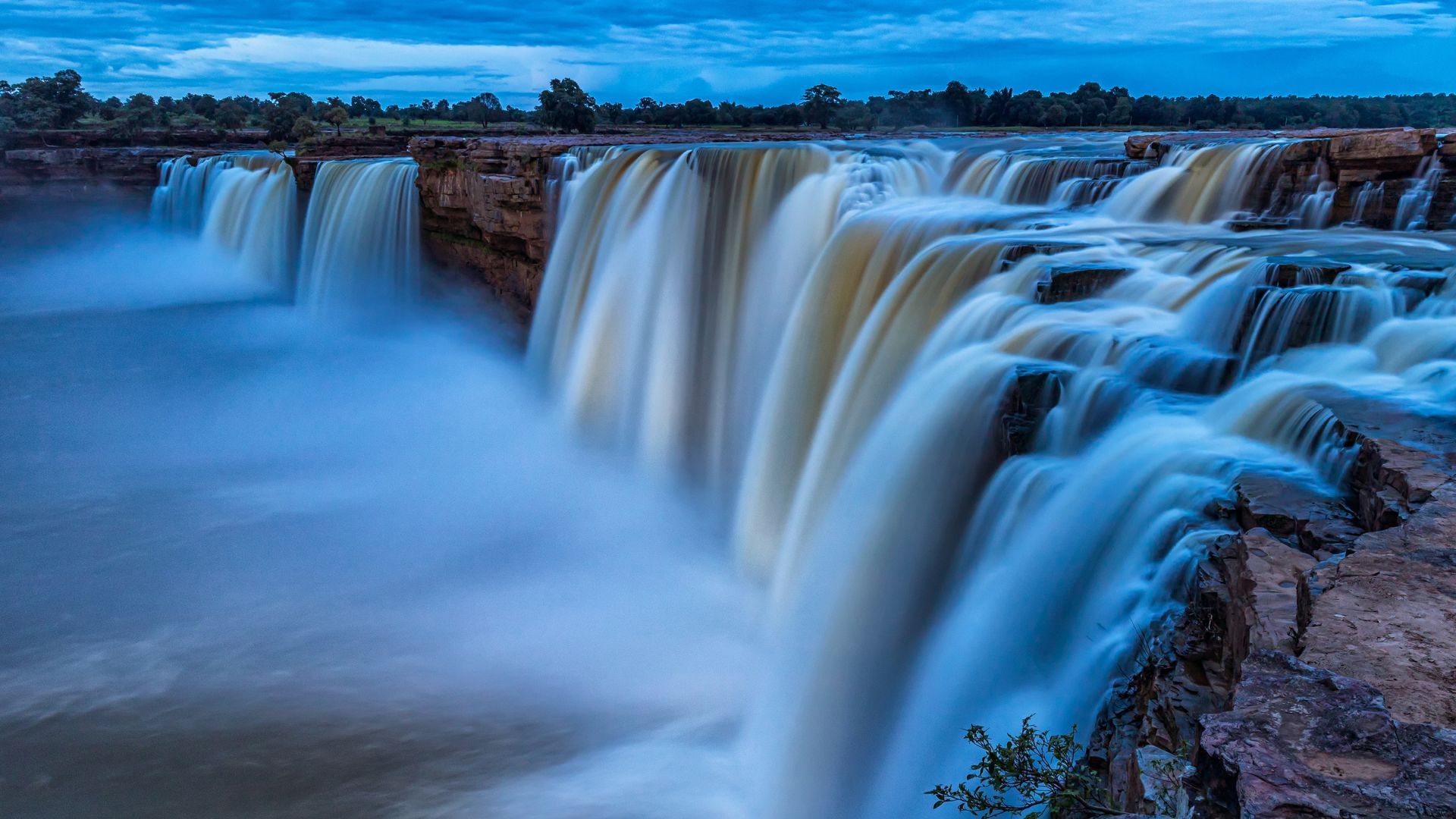
Water falls like this are found in many places
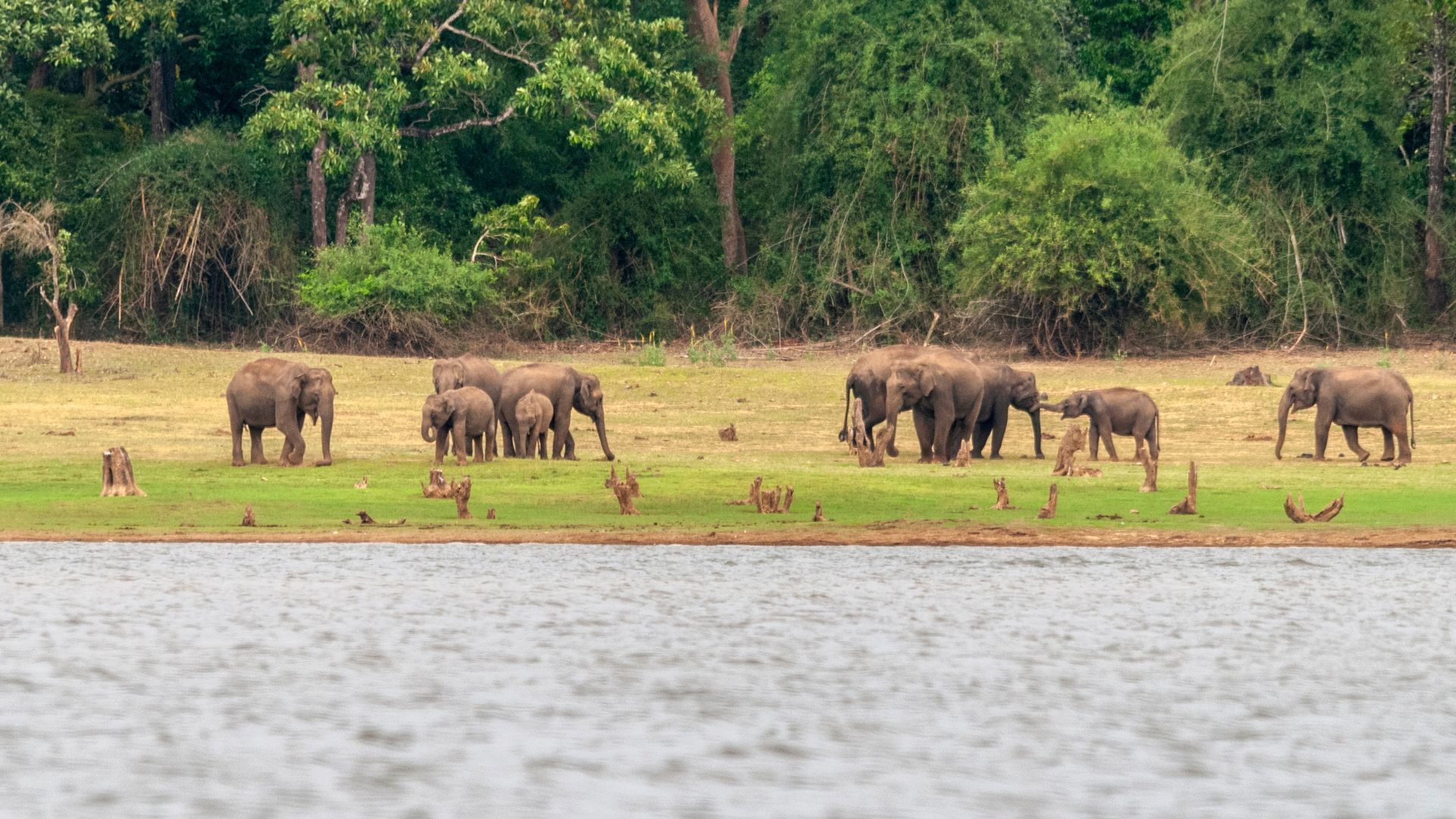
Wildlife is abundant in India
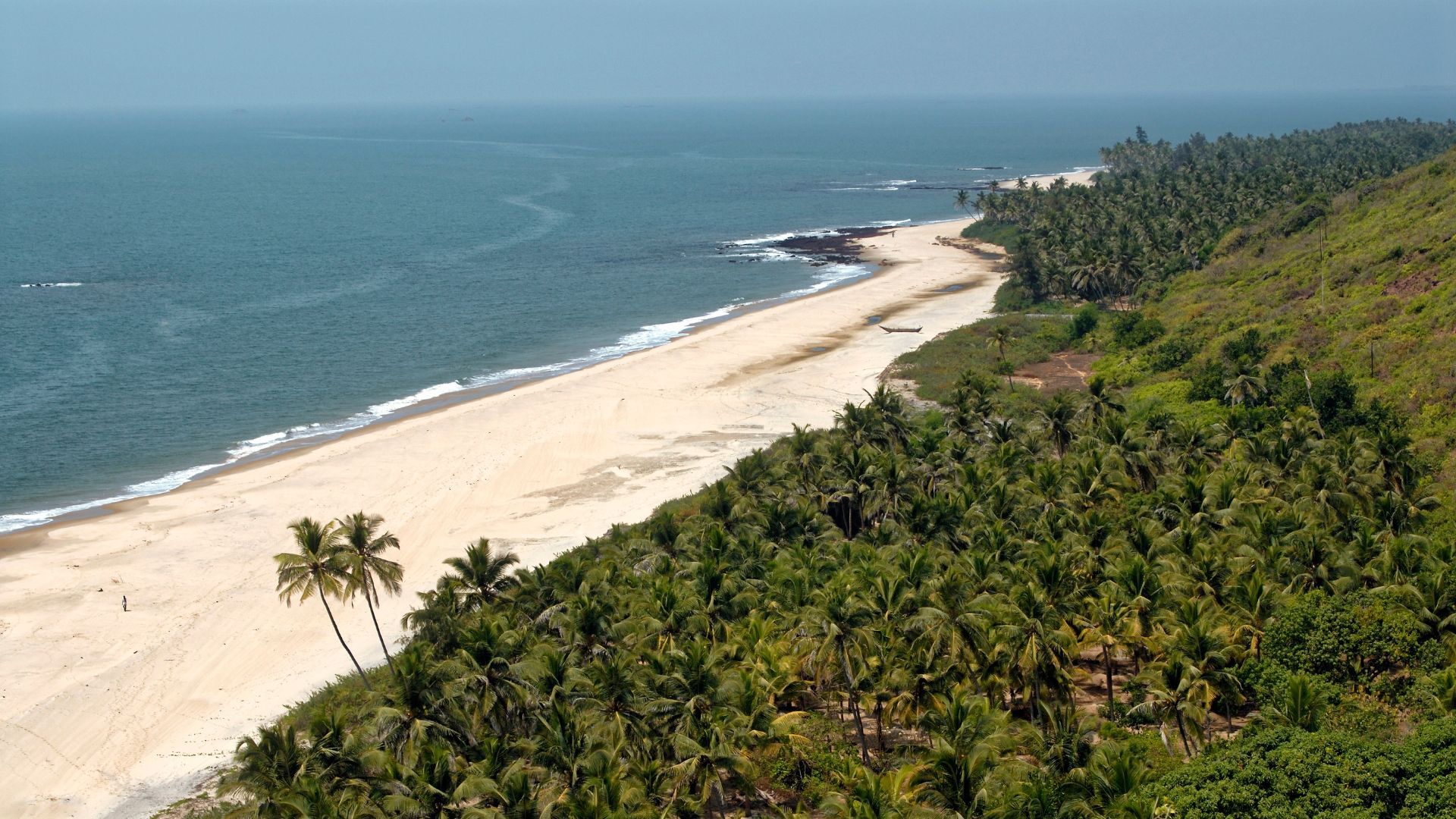
There are numerous beaches along the coast
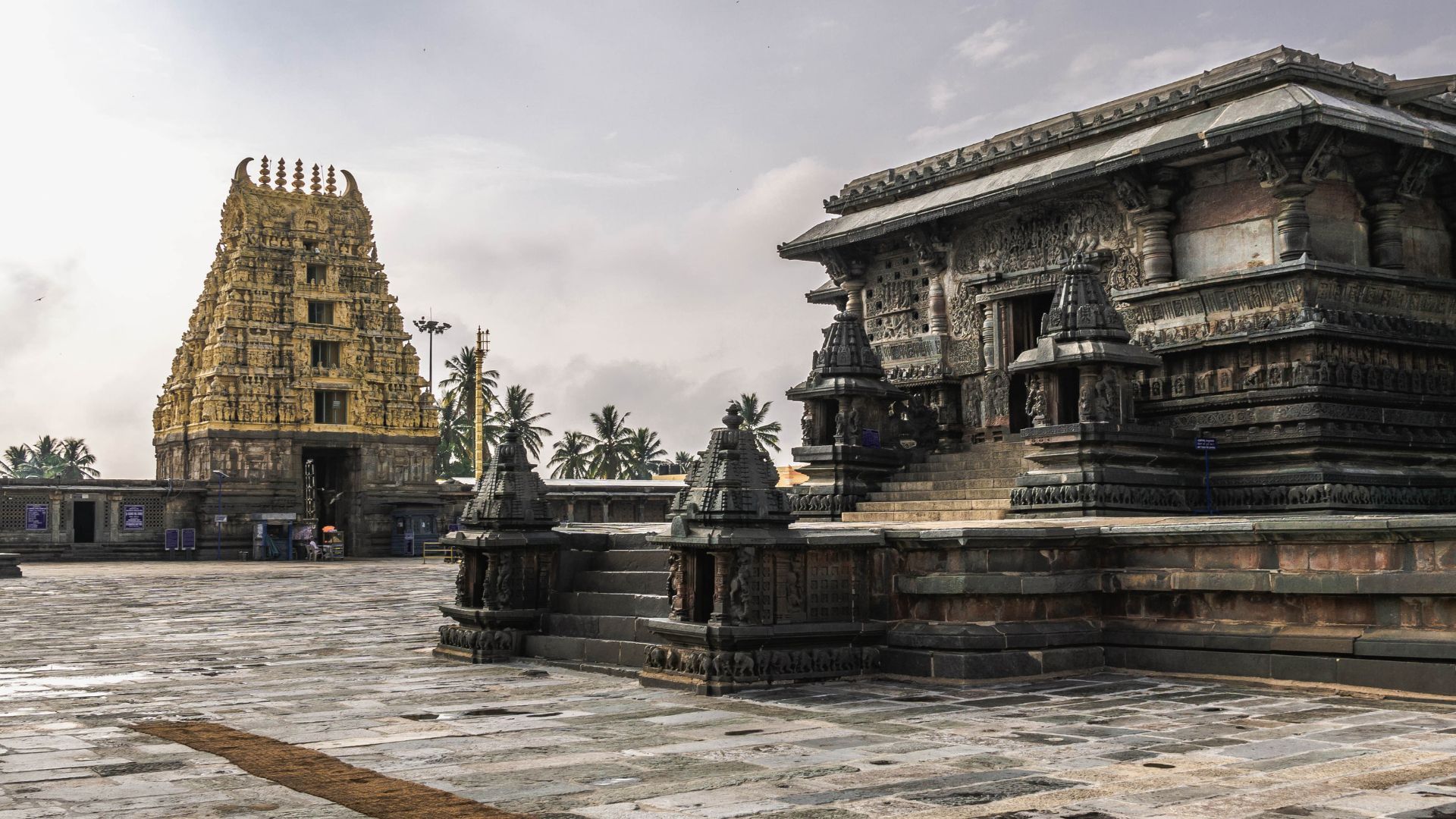
India is land of wonderful temples
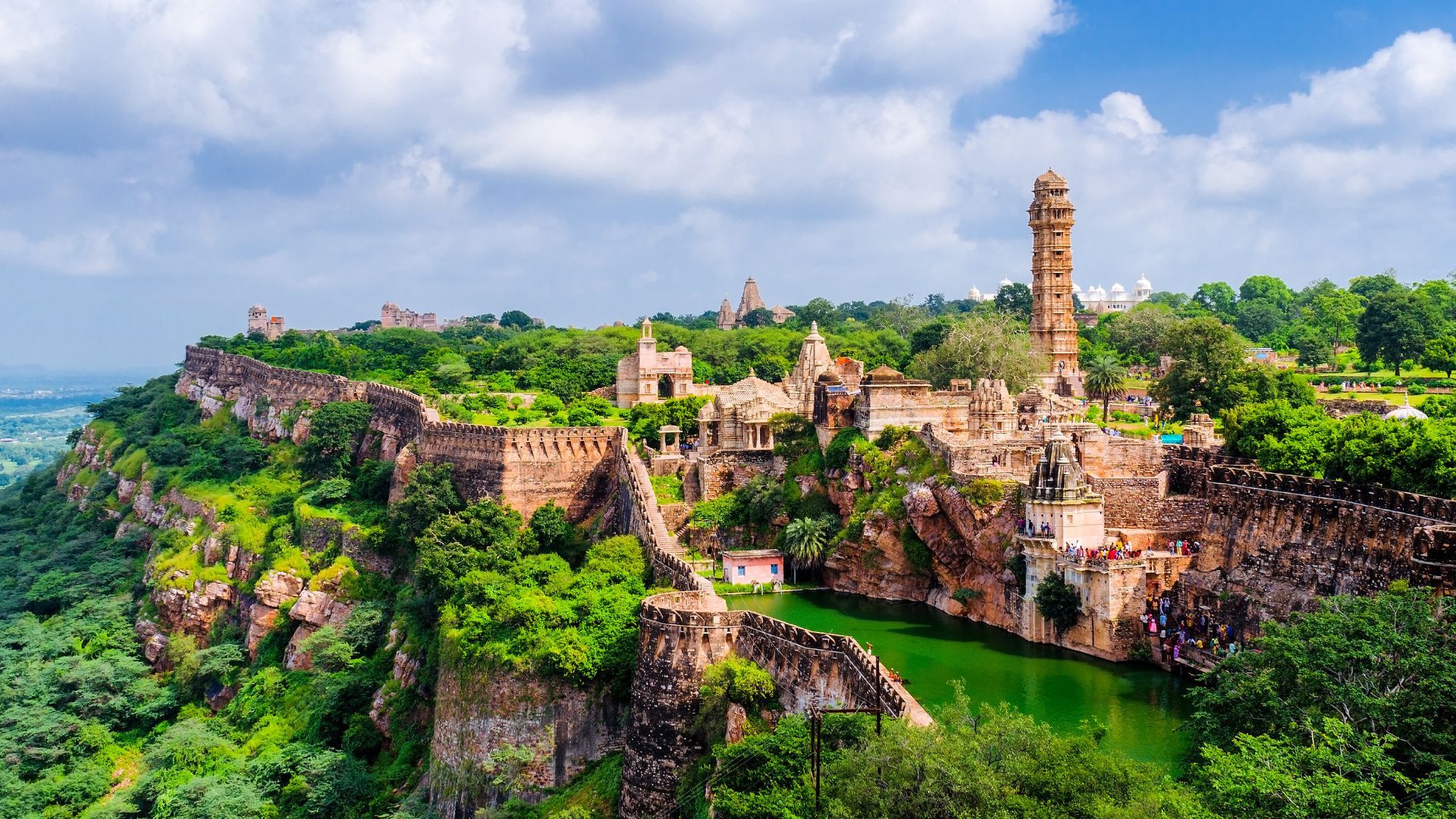
Feudal kings built massive forts everywhere
India was a feudal country consisting of many kingdoms and their petty kings who always quarreled with their neighbor kings over territory, revenue etc. and fought constant wars to avenge some insults over kidnapping of their princesses or queens. They also built impressive forts to protect themselves and their population from attack and conscripted sons of farmers to the army that needed constant resupply. It was just like in Egypt, except that there were many such pharaohs in India, and they never considered India as one country.
The foreigners like the Muslims or the British took advantage of this division among the kings and their kingdoms and were able to gain a foothold easily by encouraging fights among the kings. Clive comes to mind, who was an expert in this game, and he was able to promote the East India Company that was the precursor to the British rule by Victoria later on.
These kings lived lavishly and spent lavishly on themselves at the cost of exploiting the population for their own selfish benefits. Their lavish palaces are now empty for the camera toting tourists to gawk at but once they lived the life of utter luxury there eating from gold and silver plates and wrapping their palaces in silk and filled with imported furniture or Belgium mirrors and driving Rolls-Royce. They even had their own private railway lines and coaches, while the population lived in poverty and misery only and died for the king when conscripted.
One such King went to England and had two giant silver vessels filled with Ganga water carried on his ship because he did not want to touch the water of England.
All over India you will see the excesses of these past kings and their huge forts, palaces, gardens and their impressive armory. Some hidden treasure chambers have been found where they stored immense quantities of gold and silver and jewels worth billions. Thanks to democracy, these treasures are now put to good use by the Indian government. But many such treasures remain hidden.
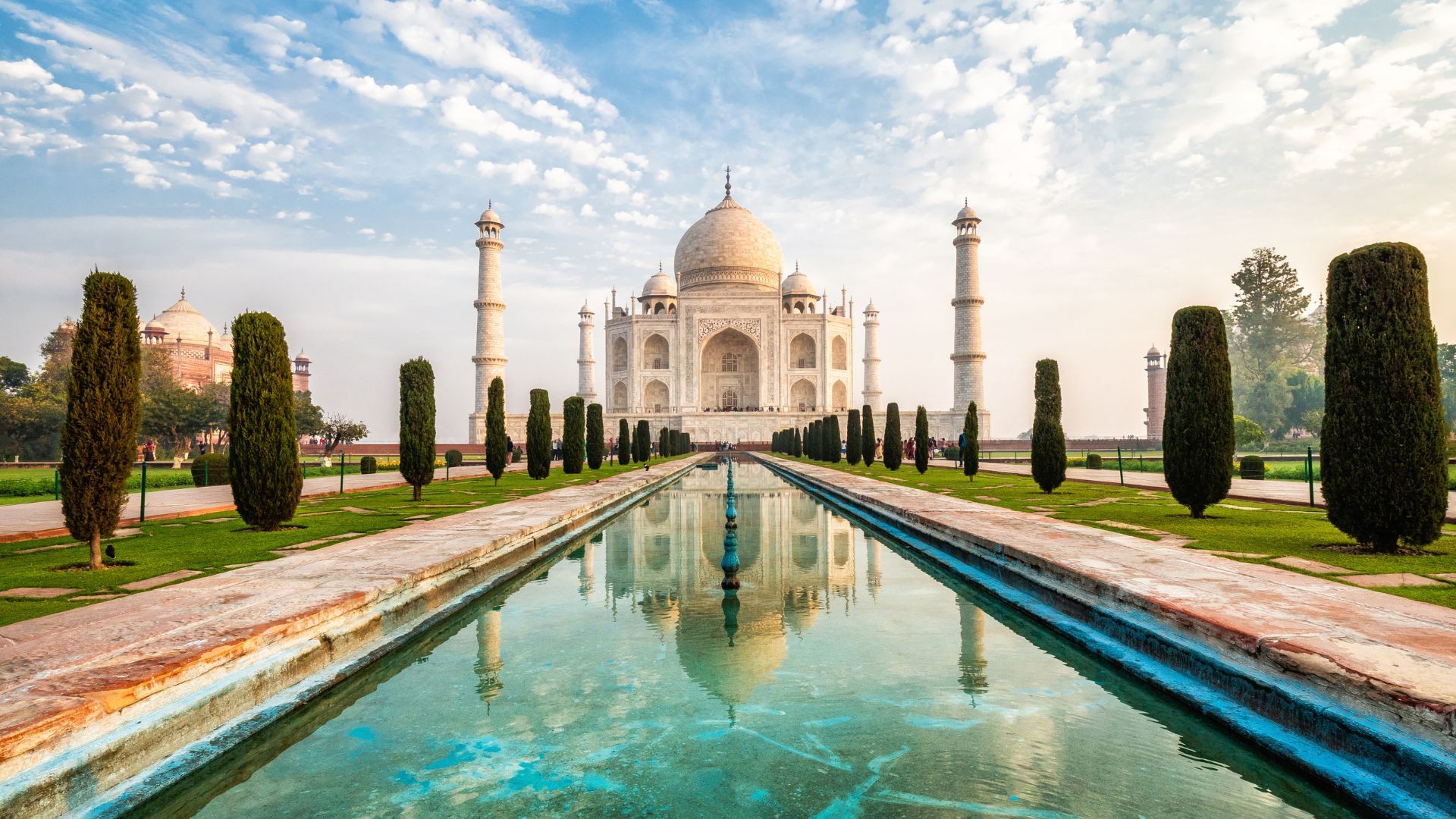
Then came the Mughals who took their foolishness to new heights and built their own palaces and forts and accumulated wealth beyond belief but had only whips for the poor taxpayers who dared not to fail to pay their share. Taj Mahal is such an example of lavishness, for which the king paid dearly. Its inside walls were once encrusted with jewels that glowed in the candlelight, but the British took care of that and replaced the jewels with fakes.
Very few such rulers were benevolent in nature and considered it their divine right to rule over hapless people who were meant to only serve the royalty. One such ruler force marched the entire population from Delhi to his new capital in Daulatabad near Aurangabad in central India and decided to frog march them back to Delhi only after seven years. He did not care how many people died in the process. Now his unassailable fort in Daulatabad stands as a monument to his crazy ideas but one can see such craziness and the results all over India.

Buland darwaja in Fatehpur Sikri
The abandoned city of Fatehpur Sikri near Agra is another example of such folly and lavish spending of the Mogul king Akbar who lived there for a while but the artificial lake he built to store water dried up therefore doomed the city and people left when Akbar died. No one suggested him to dig a canal to bring water from Yamuna river in Agra, but perhaps there were no hydraulic engineers in those days, although I doubt it.
The royalty did not care how the poor people lived and never built houses for them or schools or roads. A stupid nawab in Lucknow was told that people need jobs, so he let them build houses that they had to tear down the next day and rebuild it so that they could have a job. No one told the king that he could have them build thousands of houses for these poor people in a planned way.
There was one king called Sher Shah who was the exception and who built the grand Trunk Road, but perhaps more to move his troops and military supplies than to move common people. Still a road is a road and people still use it after many centuries.
Other kings let people build their own habitations where there was no planning so you will see the hovels built by them in all cities where city planning was unknown. These are called the old cities, and they exist side by side with the new planned cities that the British built. A good example is Delhi itself.
The flora and fauna:

Rhinos and lions are found in sanctuaries
Did you know that India is the only country in Asia where lions, rhinoceros and other animals are found outside Africa? You can often see the huge nilgais from the train, and river dolphins and gharials in many places. Nilgais are a kind of deer.

Siberian birds come to India to nest every year
Millions of birds from Siberia and Central Asia cross the Himalayas and come to roost in the wild life sanctuaries in many parts of India every year. You can see the magnificent Siberian cranes and other exotic birds in these bird sanctuaries.

hyenas fight it out with tigers found in India
We used to hear the howls of jackals and wolves as well as hyenas from our house, so these animals were nearby. Now they have moved away due to the pressure of the population, but they are still found in rural areas aplenty. The hills are full of jaguars, black panthers, bears and even red pandas among other fearsome animals like tigers, leopards and cheetahs. The Royal Bengal Tigers are world-famous for their beauty. There are many tiger reserves now where they are protected and one can see the Lions living near the villages in Gujarat where they pose no threat to the people because they have plenty of preys in the Gir forest where they usually live. Gharials are also protected and bred in farms and released in the wilderness by the government.
The British were always hunting these beautiful animals and bragging about how many tigers they killed for fun, but now they are protected by the government.
You will see wild elephants in the nature parks in the south or in the foothills of the Himalayas and Assam. We saw many such elephants while on a trip to the south where the camera toting tourists were taking photos furiously saying that their day will be complete if they can photograph a black jaguar or a leopard or two as if the jaguars and cheetahs were waiting by the roadside for a photo opportunity such are the foolish tourists. It is good that they did not try to reach the wild elephants, although you never can underestimate the foolishness of people.
Only in India one can see tamed bears and elephants on the road frequently, although there is now a program to free these poor bears and put them in shelters where they receive veterinary care and food and the bear owners who are nomads are taught new trade or skills to earn a living.
I was so impressed by the river dolphins in Ganga just near the ghats in Benares where they were playing joyously as if without any care or concern as they should be because they are protected now. They have become extinct elsewhere because the government wakes up very slowly to such disasters.
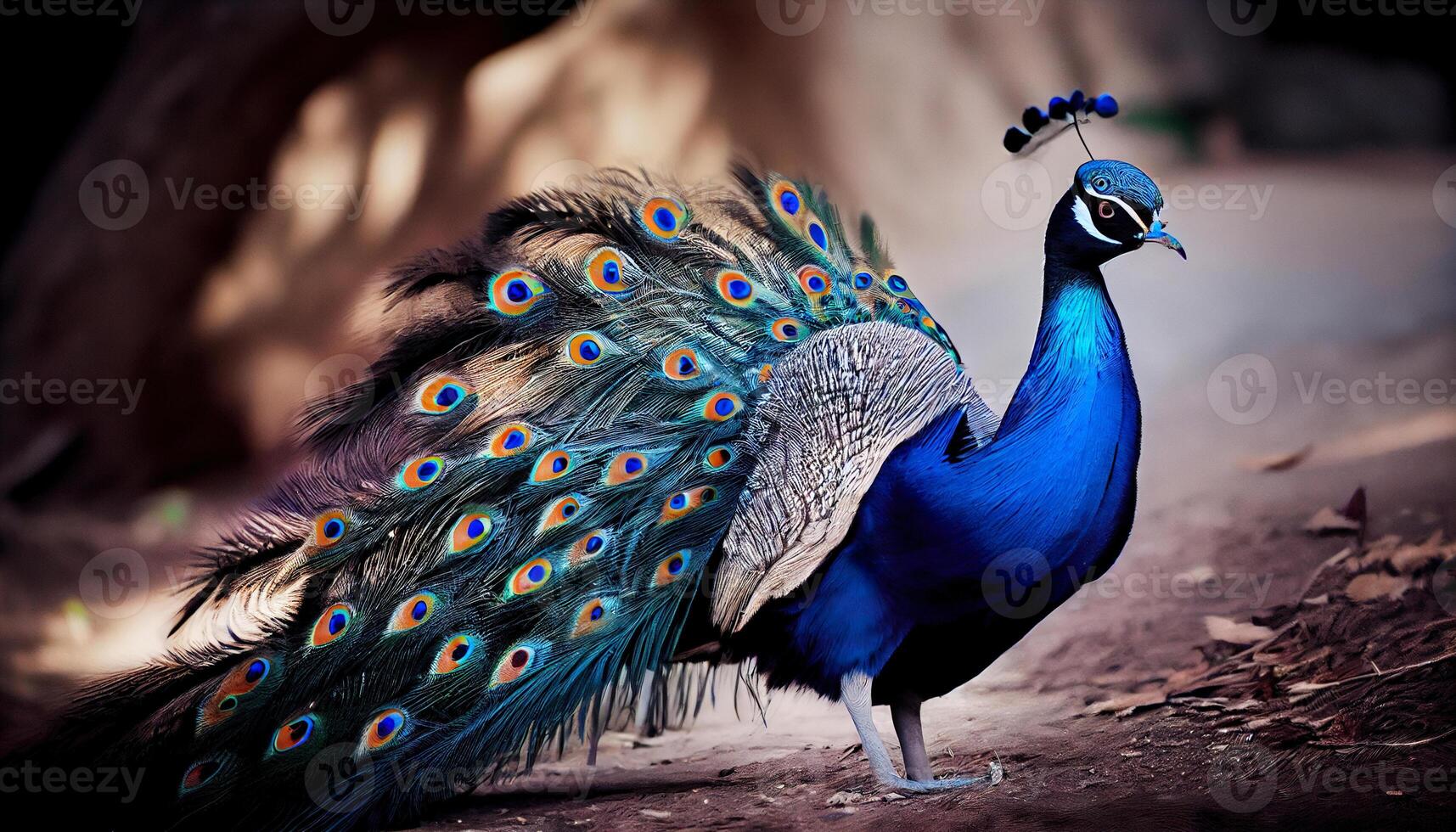
The peacock is the national bird of India and killing them will land you in jail in no time so they multiply and are found in many cities, parks and of course in the forested areas. There are over 1200 bird species.
But it is the people of India that make the country interesting. There are so many types of people that often you wonder if they are Indians at all. They have more than 18 official languages and many more that are spoken but not official. Their food, their clothes, their skin color, their language, their manners, habits and such vary greatly from state to state. The temple architecture in the south is very different from the north, and the east is different from the west.
Modern India:
Modern India is proud of its culture and heritage
The modern India that has just put 20 satellites in one shot in orbit using a single rocket made in India generates immense pride in its technological prowess and ability. The Indian space program is a testament to Indias ability to do things that were what only NASA could think of a few years ago like sending a satellite to Mars that sends high resolution photos real time to the space center somewhere in India and that too at a 100th of the cost of such a mission sent by NASA. All the equipment is designed and made by the rocket scientists in India, proving that they are intelligent and very well-trained. India also has its own communication satellites that cover the entire country giving people access to TV, radio and other types of media, weather forecast ability, sharp satellite imagery that show the forest cover or other features.
The Indian textile industry has grown phenomenally since independence and manufactures very high quality fabrics of all sorts from cotton to silk and synthetic fibers. The worsted wool fabric is the finest in the world. The hand loom industry making silk sarees are known all over the world for the brilliance of color and design and are exported.
There is an abundance of fruits and vegetables in the market and India feeds herself. This is a big deal, and the food supply is guaranteed by the government that has built huge storage facilities in every district of every state so that people can buy the subsidized food grains, dal, sugar etc. The excess is often exported.
India has introduced computers in all spheres of life making life easier and more efficient in government services, banking, transportation industry etc. Indian IT professionals make and write their own programs for mobile devices and are well known as computer wizards, so their services are sought in other countries.
The defense industry has grown from practically nothing in 1947 to a huge industry that makes everything from planes, tanks and submarines, ships and other related materials that are needed by the armed forces, although India still imports all kinds of weapons and technology from other countries.
If you happen to stand on the platform of any railway station late at night, you will see the freight trains a kilometer long passing through carrying military hardware all brand-new going somewhere from the factory somewhere.
The communication industry is also growing very rapidly, so everyone now has a cell phone, and one can call anywhere in India or abroad with clear reception.
Anyway, I will stop here and say that it is worth visiting a country like India because it will be your once in a lifetime experience.