
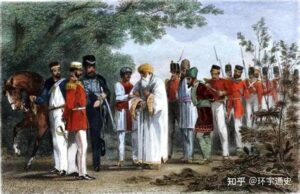
 British arrest the last Mughal king Bahadur Shah Jaffar in 1857
The British policy of divide and rule left its imprint in India that the later politicians adopted to suit their own ambitions. It divided people on the basis of their religion and caste so that a certain segment of the population could be used as a vote bank for them. The evolution in the Indian political landscape has brought profound changes under a new leadership that promotes the idea of nation first and has blurred the caste and religious divides.
The British were clever people who found it very expedient to divide the people of India on the basis of religion and caste in order to rule over them easily. It worked in their favor for a long time but a time came when a united India stood up to challenge them and their rule. Netaji Bose inspired all people to unite and fight the British that created the ground swell of anti-British sentiment in India that greatly alarmed the British after the Second World War.
The growing power of the Indian National Army (INA), its victories in battle and the nationwide popularity of Netaji Bose made the British realize that their rule was over and they had to leave India soon. The British Prime Minister of the time admitted as much when he said that the British left India when they realized that they could no longer depend on the Imperial army, consisting mostly of Indians who showed nationalism over loyalty to the British.
After the defeat of Germany and Japan, the INA lost their support and was forced to disband and Bose was made to disappear from the pages of history by the Nehru family that had always opposed Bose but people of India never forgot him.
The British could no longer ignore the impact of the victories of INA on India that motivated people to demand with one voice that they wanted freedom. The last nail in the British coffin came from the trial of the captured INA officers at the Red Fort in Delhi that turned the tide against British rule. This ignoble exit of the British is well documented in the pages of history, so I will not write about it here.e British, being astute and clever, devised a mischief out of spite that created Pakistan in two vital parts of India to weaken the Hindu majority India so that it will never be able to challenge the British in any way in the future. This vivisection of India into three parts by the British was due to their policy of divide and rule although they were quite aware of the consequences but had not anticipated the degree of violence that ensued in 1947.
They brought in a bureaucrat from England who knew nothing about India, its culture, its diversity in religion, history and geographic differences but made arbitrary lines with a pen on the map to divide the country. This division led to the subsequent death of more than a million people both Hindus, Muslims and Sikhs in the communal violence that put to shame the so-called nonviolent movement of the so-called Mahatma.
The British could have prevented it but they stood aside and watched the massacres silently. It is a part of the sad history of bloodshed in India that does not need to be repeated here.
They also refused to help in chasing out the Muslim militants from Pakistan who occupied a large part of Kashmir in 1948 and still do this day because a weak Prime Minister could not stomach the idea of a fight with them, so ran to the UN to demand a ceasefire without first consulting with Sardar Patel who was the Home and Deputy Prime Minister. This occupation of a part of Kashmir has caused thousands of deaths on both sides and still continues 75 years after India became free.
Unfortunately, the British policy of divide and rule was adopted by the newly formed government of independent India that found this policy quite useful in their favor so they gained the support of the Muslim voters who benefitted from the appeasement policies of the government toward them. They convinced the Muslims that they were their protectors and would look after their needs, but it was an empty promise to gain their votes.
So the Muslims voted for the incumbent government in every election since independence, that made it possible for the Congress Party to stay in power without much of a challenge from the opposition parties. In return the Muslims gained very little, remained poor and jobless, without education and any improvement in their life. They were simply used as a vote bank by the ruling party and nothing more, but somehow their loyalty to the Congress Party remained unshakable for a long time.
But the vast majority of the country was disenchanted so a ground swell began against the corrupt and autocratic rule of a single family that had consolidated the political power in the hands of a single person called Nehru who served the interest of England by protecting their business interest in India which was considerable and even appointed Mountbatten as the Governor General of India after the independence. It is so shameful to know that the Indian Army chief who was British reported to Mountbatten even after independence until 1954.
So Mountbatten continued to play a very important role in Indian politics until he retired to England after the death of his wife but the Indians continued to suffer the consequences of the British rule long after their departure because the British had put their puppet in power in India before they left. A nationalist leader like Sardar Patel would not have served their interest so the British insisted on a man like Nehru who promised to serve their interest and did. They even called him a brown sahib.
Many leaders subsequently came to power and went out of it until the BJP (Bharatiya Janata Party) slowly started to change the political landscape by steadily gaining in popularity and the public support to form the government of Atal Bihari Bajpai who was indeed a great leader with a great vision for India. He started the country on a path of rapid development of infrastructure but the opposition brought his rule to an end in the Parliament by the motion of no confidence.
Then came a tidal wave of change in the whole country when the voters went to poll and elected Narendra Modi in 2014 by a landslide margin, leaving Congress and many other parties in dust gasping for life. India changed forever since then and the winning party BJP (Bharatiya Janata Party) gained the widespread support in most of the states as the party for the people, by the people and of the people that has ushered in a clean, corruption free and a strongly nationalistic government that has made development for all its governing principle.
For the first time since independence, India was governed by a party of people that promised development for all without discrimination, taking the whole country forward through progress and treating every citizen as equal. At first the Muslims did not believe the government that had stopped the practice of Muslim appeasement to get their votes but soon they realized that the government was working for them just as hard as for others.
They were delighted to become the beneficiaries of all government programs like housing for the poor, water and electricity for everyone, free or greatly subsidized ration for everyone and numerous other projects to help the poor. Modi asked the banks to open accounts for millions of people for the first time so that they could be given their share of the benefits directly into their accounts and cut out the middlemen altogether who used to exploit them.
He did the same for all farmers and deposited the money into their accounts for the grains they sold to the government. The middlemen were cut out so all the benefits went directly to the farmers to their delight. The fake protest against the New Farm Laws that ensued was organized by the middlemen and the politicians who had lost their cash cows. The opposition parties that criticize every effort of the government to help the farmers found an opportunity to discredit the government. It was later found that they received foreign funding to destabilize the elected government. It was also found that most farmers welcome the new law.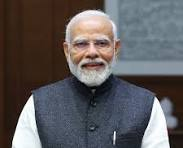
Narendra Modi became the Prime Minister of India in 2014 in a great victory ushering in a new era for the country.
Narendra Modi came from a very humble origin in Gujarat where he started his political life as a village level worker of the lowest rank to motivate people to vote for his party candidates and slowly gained popularity to become the anointed candidate of his party in his state and went on to become the Chief Minister of the State. He developed the infrastructure and numerous welfare programs for the poor at breakneck speed that later made him the national leader of his party but he and his party had not even dreamed of such national prominence given the opposition that was still smarting from their rout in the national poll.
But the people tired of massive corruption, lawlessness, lack of justice for the victims of lawless people, nepotism in the government and the lack of progress in the country started to look at the State of Gujarat and the progress made there by a hardworking and honest man called Modi and thought that if Gujrat could make so much progress, they too deserve to improve their life. All the country needed was the right leader who would think of the country first so they bet on Modi to be the leader who would make India great again. Their trust in Modi paid off handsomely.
People often compare the development in China that has transformed it into a vibrant economy and a strong military power in a short time with India and bemoan the fact that India lags behind China in spite of its enormous potential but China is an autocracy where the will of its leader cuts through all the red tapes to get the country moving.
While India is a democracy, with its massive bureaucracy that impedes rather than help speed up the approval of projects. It delays the approval and implementation of infrastructure projects because of corruption, so any leader of India has to fight the uphill battle to get his projects approved.
So Modi faced many such challenges when he became the Prime Minister of the largest democracy in the world but he had faced such challenges in his State of Gujarat, overcame them and developed his state. Now his challenges at the national level were far greater than he had faced earlier so he gathered a stellar team of equally hardworking and honest people and appointed them in various important ministries to move his agenda forward.
He has pushed hard the concept of nation first and asks all people to rise above their religion, caste, creed, regionalism and petty differences and work for the country just like John F. Kennedy when he said Ask not what the country can do for you but ask what you can do for the country This also became Modis mantra that has filled all Indians with pride for the first time.
Modi has given them hope that India will regain its rightful place in the world as a modern country with world-class infrastructure and once again will become the Golden bird that it used to be in the past.
Impressive growth of India
The railway ministry is building the dedicated freight corridors all over India that links all the seaports with the manufacturing centers so that export and import of goods can be facilitated. This is the worlds largest network of dedicated freight corridors where double stacked freight trains run day and night, pulled by massive and powerful electric engines.
It has started to change the delivery of goods nationwide at a cheaper rate and speedier delivery system. Now, no freight trains run on the national rail lines that are solely used by the passenger trains. The introduction of high speed trains with modern facilities, construction of bullet trains and Hyper Loop system has made the Indian railway modern, efficient and more enjoyable.

Bullet train lines under construction in India
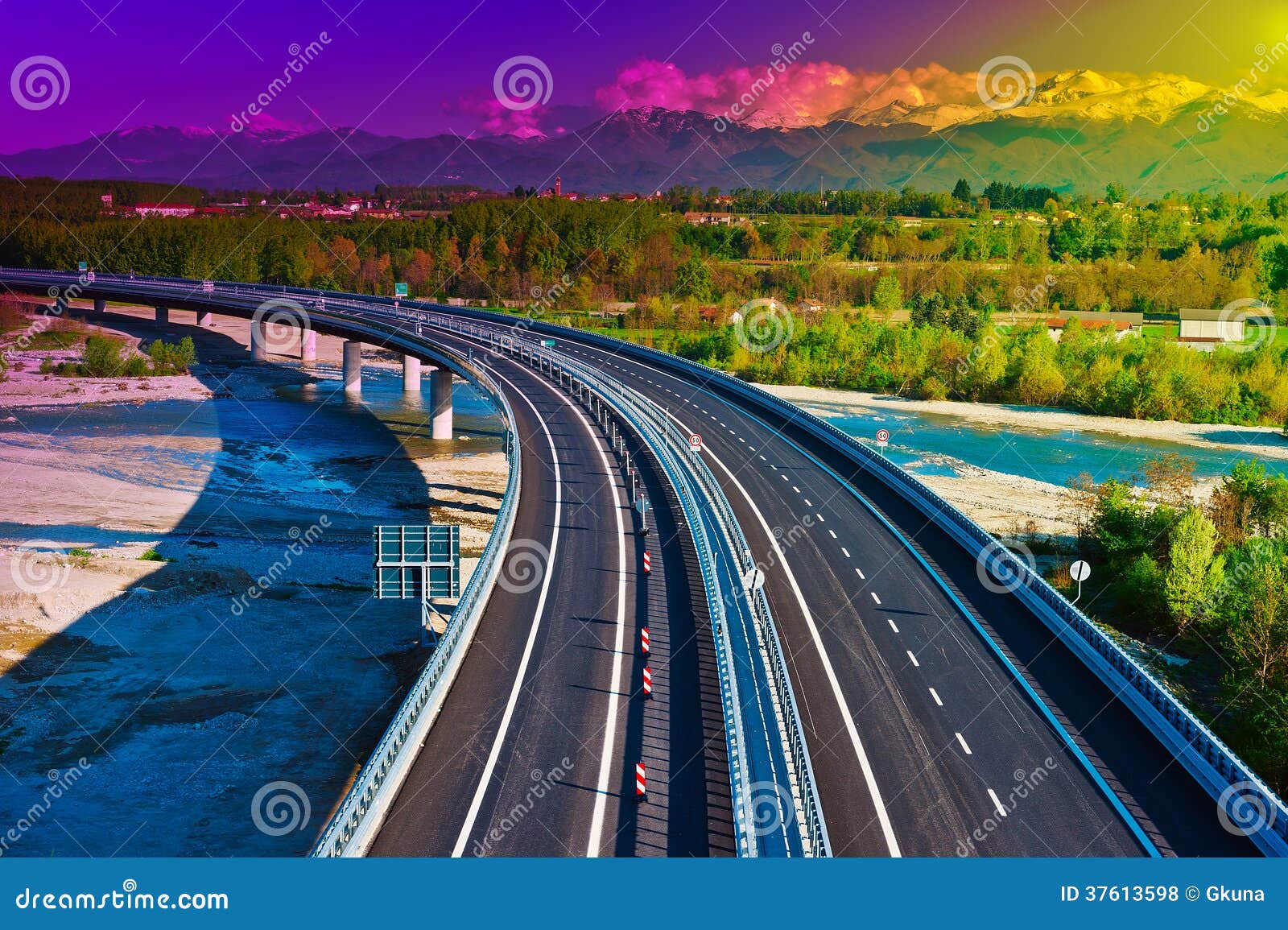
Modern highway system linking all parts of India
The whole nation is being joined by a modern highway system linking all parts. Almost every month a new highway is inaugurated, or a new rail line is opened that connects places for the first time, bringing a higher connectivity.
There are major highways being constructed that are world-class all over the country, and many such highways have already been opened to the people. These highways collect toll fees from vehicles using advanced satellite system technology automatically.
Every major city is now linked with new airports and jet services and many more such airports are under construction nationwide to improve connectivity by air service, rail service and new highways. The far-flung regions in the East are being connected by the rail for the first time since independence, where it has brought in new industries and jobs for many.
The entire state of Jammu and Kashmir was brought under the direct rule of the Government two years ago, where millions of dollars worth of investment in its development has poured in and continues. The worlds highest railway bridge on the Chenab River in Kashmir is under construction that will join the State of Kashmir with the national Railway system. Any Kashmiri will be able to travel anywhere in India by train soon.
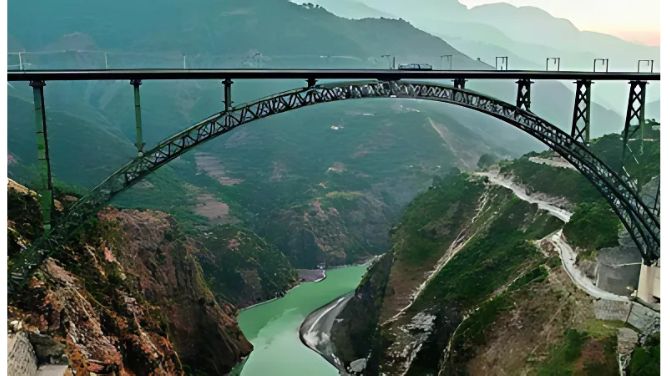 World’s highest elevation Chenab bridge
This bridge is now completed, and electric trains run on it to connect Kashmir with the rest of India.
Electricity for all villages

Villages have access to electricity
In Ladakh which was a neglected part of India and where the geography and terrain is difficult, the villages are being linked to the National Power grid at a great speed and new tunnels are being cut through the mountains to build new roads to connect the towns and villages there. No one ever thought that they would see trains coming to their towns, but it is happening already. It has created new economic opportunities for them. New schools, colleges, new medical and technical colleges are sprouting like mushrooms everywhere bringing educational opportunities for the young people for the first time.
Rural electrification of the entire nation is underway where they now enjoy Internet connection through the fiber optic cable network and cell phone towers so almost everyone uses cell phones today.
Toilet facility for all villages

Toilet facilities for all villages
Where Modi has succeeded beyond anyone’s expectation is the help he has given to the poor people. He has built millions of toilet facilities for the poor, who had to go to the fields and open places before.
Modern housing for the poor
Modern housing for the poor people
He has built millions of modern houses for the poor so that they would not have to live in slums. He has given them free rations twice a month during the Covid epidemic and free gas cylinders for cooking. Free water, gas, electricity, house and monthly pension to elderly has greatly helped the poor. In Uttar Pradesh alone, 4.5 million houses were built in 4 and 1/2 years and given to poor women. It has empowered women like nothing before. Modi has promised that no Indian will be homeless in the near future.
Tap water reaches every village

Clean tap water reaches most villages
The list of the completed projects and ongoing projects are too numerous to mention here but one thing is sure. Modi is well on his way to build a modern India with world-class facilities that the whole world is watching with admiration.
Where Modi will be known as the strongest leader of the nation ever is in the defense sector. He has made India strong militarily that can now face any challenge from any nation that means harm to it. India now produces most of the hardware its military needs including fighter planes, missiles, submarines, ships and tanks etc. It imports many things from other nations as well, with the emphasis on joint production in India.
The Indian armed forces are now equipped with modern weapons and the satellite systems in space keep an eye on the enemies of India 24 hours a day thanks to the Indian Space Research Organization ( ISRO) that has developed the system.
Why Narendra Modi will be remembered as the great leader is because of how he has empowered the women in the whole country.
He has given modern houses to women, brought water and toilet facilities to them and helped them with cooking gas and electricity and free ration twice a month to all the poor households during the epidemic.
But more than that, the women in India now feel that they have more opportunities available to them to make progress because a record number of girls are going to school and colleges nationwide that opens up many doors to them for good job placements. Women are joining armed services and are flying combat aircraft and taking active part in the defense of the country. They are becoming doctors, nurses and med tech experts in record numbers. They are becoming teachers, lawyers and IT experts. The new India has empowered women like never before, and it shows.
It shows in the way they vote for progress and greater opportunities. This progress has reached all sectors of the society irrespective of religion, caste and creed because Modi has brought progress for everybody and not just for a certain class of people. Now, Muslim voters have started to realize that they too are beneficiaries of all projects and are not being used only as vote banks. Muslim women feel empowered because a hated Triple Talaq law was repealed by the government, so they openly support Modi.
This is a great change in India. Now Muslim clerics openly praise Modi and visit Hindu temples to offer their prayers for Modi for greater success. They admit that the fundamentalist Mollahs who criticize Modi are wrong because Modi is a Nationalist leader who puts country first and believes in equal progress for everybody.
The Largest state in India is Uttar Pradesh where an election is underway that is being fought tooth and nail by the opposition parties but the result will be declared on March 10, 2022. There is no doubt that people are rooting for Modi, Yogi and his party so I hope that their faith in Modi will change the political landscape in just 10 more days. People are waiting.
I quote here the article published by Akhilesh Mishra in the Indian Express, in which he explains the performance of Narendra Modi in his first 7 years as the Prime Minister of India.
Prime Minister Narendra Modis second government has just completed two years in office. Overall, he has now been in the Prime Ministers office for seven years. It is a long enough time to take stock of the hits and misses of an incumbent head of government. So, how should we assess PM Modis tenure so far?
One obvious way is, of course, through the list of achievements, most of which are quantifiable. As an example, the numbers reached in flagship schemes are quite extraordinary. Banking the unbanked through the Jan Dhan Yojana 420 million bank accounts and thus taking financial inclusion to every home in India. Funding the unfunded through Mudra Yojana 290 million Rupees loan sanctions and Rs 15 lakh crore disbursals and thus seeding an entrepreneurial revolution. Digitizing the undigitized through UPI 25 billion real-time transactions in 2020 and thus making India the largest digital payments ecosystem in the world.
However, beyond these remarkable numbers, there is one other way to assess the success or otherwise of Modi the changes in our national character. What are some of these changes?
First, Modi has fundamentally altered the way central governments used to understand economic policymaking. Before Modi, they almost exclusively focused on macroeconomics and the glamour associated with it, while relegating microeconomics to the background or at best to state governments. That is why even after more than 66 years of Independence (in 2014, before Modi took over), the country was still struggling to electrify all its villages, leave alone homes, or ensure proper sanitation coverage in every village, or make healthcare affordable to all.
Modi has corrected this imbalance. So, ensuring that every house gets a tap water connection is now as much a priority as framing a policy framework for privatization or creating a new paradigm for the agriculture sector with the new farm laws. To his credit, Modi has been able to make stellar progress in these domains.
Second, Modi has forever changed the mindset of only expecting second best delivery from central governments. The people of this country will no longer be satisfied with being laggards or followers. If the world develops an efficacious vaccine to combat Covid-19 in less than a year, then we now expect India to be leading that race with not just homegrown vaccines but also administering it at a pace that is amongst the fastest in the world.
Third, Modi has changed our acquired character of the last 70 years, which backed down when faced with a powerful adversary. China, used to having its way from the One Belt One Road initiative to the South China Sea, was stared down into retreating from Doklam and Pangong lake. From climate change negotiations to free trade agreements, and from large multinational corporations used to bulldozing their way to global think tanks pretending to sway Indian discourse everyone has realized that this India of 2021 is not the India they knew pre-2014.
Fourth, one of the most significant changes has been in our foreign policy. It is no longer about moral science lectures but is now driven purely through the prism of hard-core national interest. Realpolitik, divorced from grandstanding, is now part of the arsenal.
Fifth, respect for private enterprise and legitimate profit-seeking is no longer taboo. The defense that Modi himself mounted for entrepreneurs terming them as nation builders in Parliament is already getting translated into policy and in time may become his most significant legacy.
Sixth, the work done in empowering women and freeing them from clutches of societal constraints may, in time, become Modis most significant social contribution. From administering Indias most important union ministries to permanent commission in the armed forces and from establishing crores of small and micro enterprises to corporate boardrooms, and from freedom from the regressive instant Triple Talaq to legitimate rights in ancestral property almost all the hidden glass ceilings have been broken.
Seventh, and perhaps the defining and the long-lasting contribution of Modi, would be the way he has managed to fuse our glorious civilizational heritage with our modern impulses. This nation now celebrates the construction of the Ram Temple as exuberantly as it rejoices in the success of the ASAT mission or awaits the launch of Gaganyaan.
The PM Modi-led government is the only government in decades to have been re-elected with a full majority. As the nation battles through the second Covid-19 wave, the appropriate way for the Modi government to mark its seventh anniversary would be to rededicate itself to the seva service of the people of this country. This would not just be in tune with the current national imperative but would also be a fitting tribute to the people who voted in this government. After all, would not permanently changing the role of governments from ruling to seva (service) be the most stellar achievement of Modi?
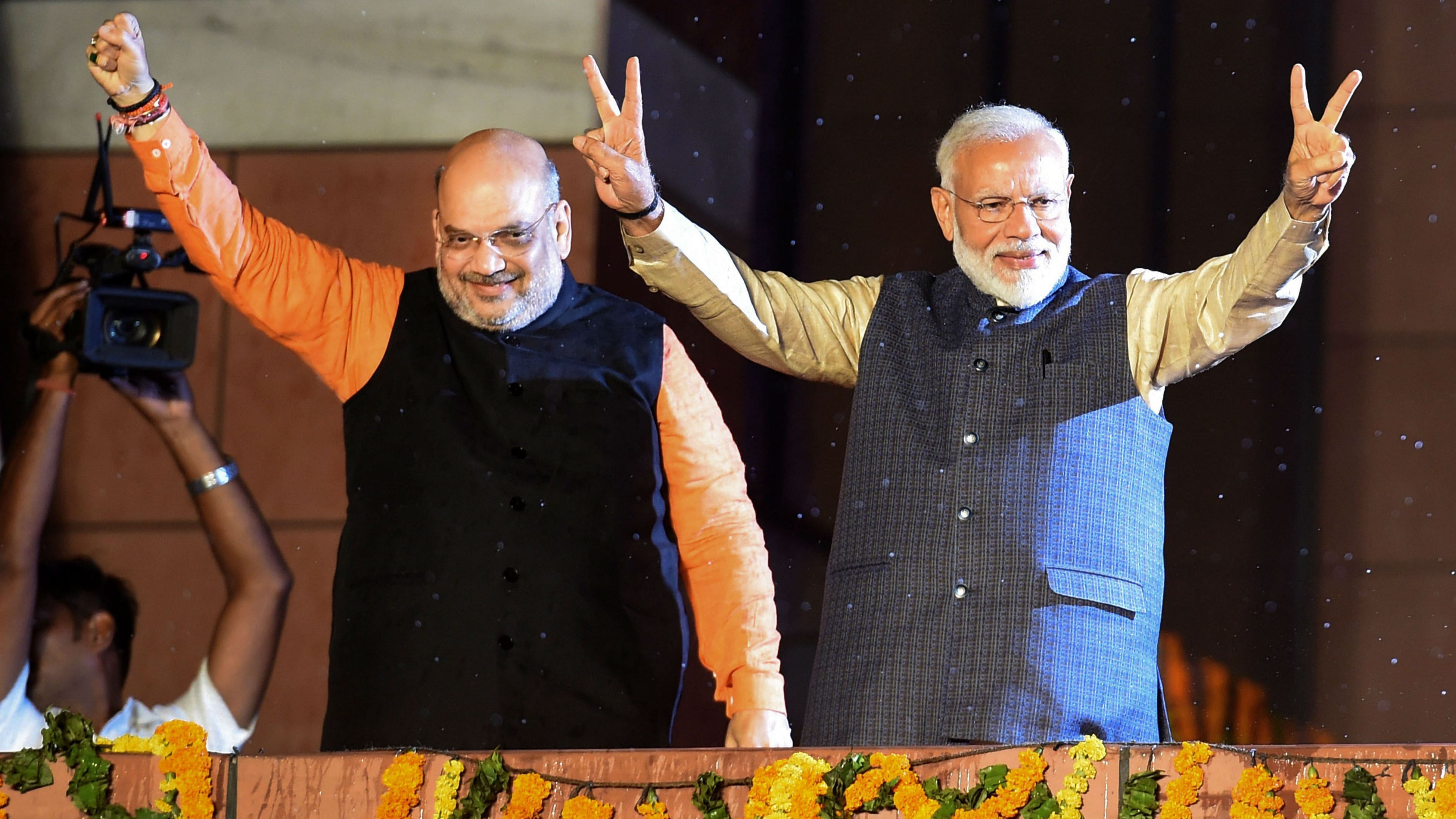
Mr. Narendra Modi and Amit Shah