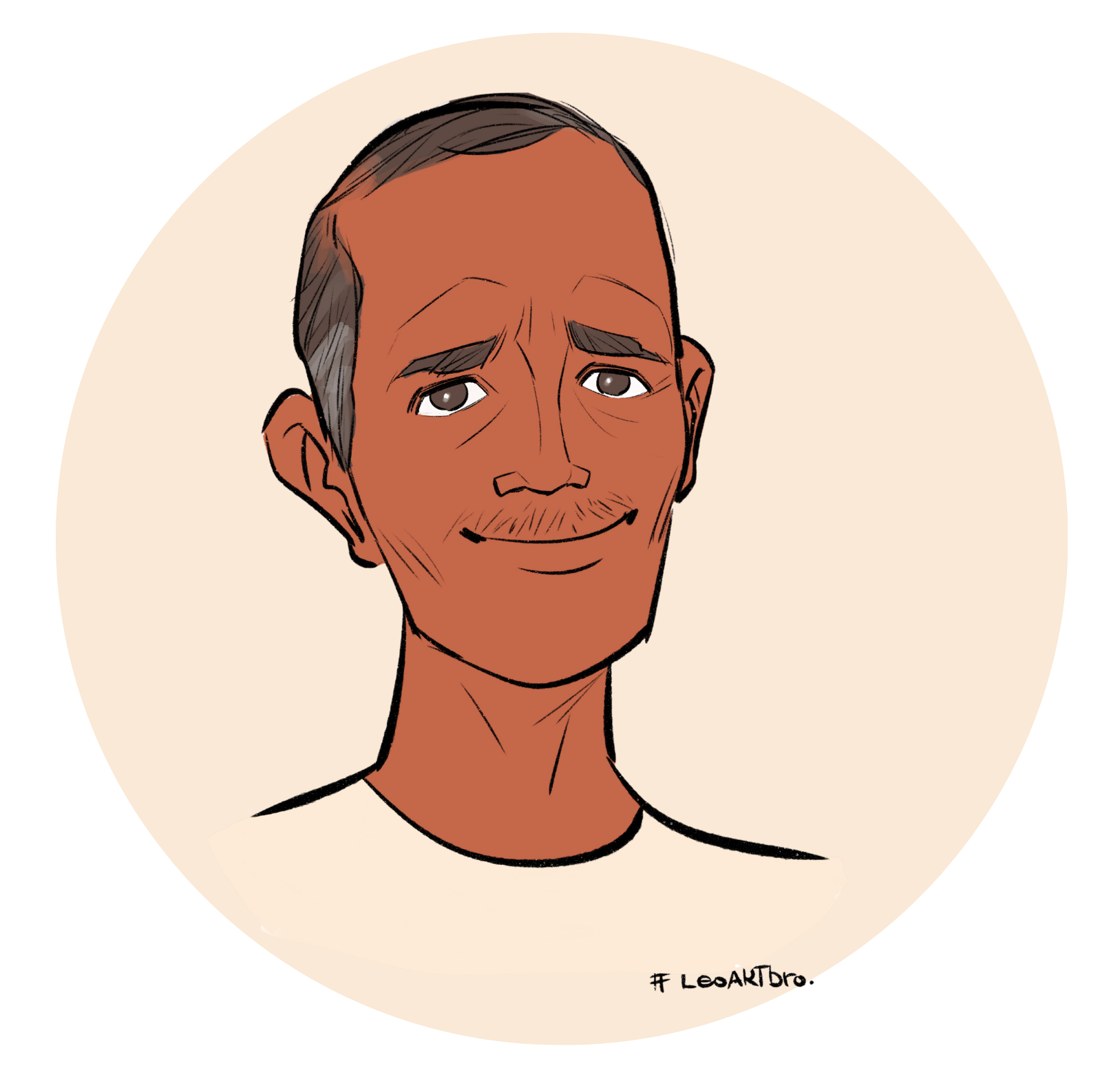

Sri Aurobindo (Bengali: [Sri robindo]) (born Aurobindo Ghosh; 15 August 1872 5 December 1950) was an Indian nationalist, philosopher, yogi, guru and poet. He joined the Indian movement for independence from British rule, for a while was one of its influential leaders and then became a spiritual reformer, introducing his visions on human progress and spiritual evolution.
Aurobindo studied for the Indian Civil Service at Kings College, Cambridge, England. After returning to India, he took up various civil service works under the maharaja of the princely state of Baroda and became increasingly involved in nationalist politics and the nascent revolutionary movement in Bengal. He was arrested in the aftermath of a number of bomb outrages linked to his organization, but was only convicted and imprisoned for writing articles against British rule in India. He was released when no evidence was provided. During his stay in the jail he had mystical and spiritual experiences, after which he moved to Pondicherry, leaving politics for spiritual work.
During his stay in Pondicherry, Aurobindo developed a method of spiritual practice he called Integral Yoga. The central theme of his vision was the evolution of human life into a life divine. He believed in a spiritual realization that not only liberated man but transformed his nature, enabling a divine life on earth. In 1926, with the help of his spiritual collaborator, Mirra Alfassa (referred to as The Mother), he founded the Sri Aurobindo Ashram. He died on 5 December 1950 in Pondicherry.
His main literary works are The Life Divine, which deals with theoretical aspects of Integral Yoga; Synthesis of Yoga, which deals with practical guidance to Integral Yoga; and Savitri: A Legend and a Symbol, an epic poem. His works also include philosophy, poetry, translations and commentaries on the Vedas, Upanishads and the Bhagavad Gita. He was nominated for the Nobel Prize in Literature in 1943 and for the Nobel Peace Prize in 1950.