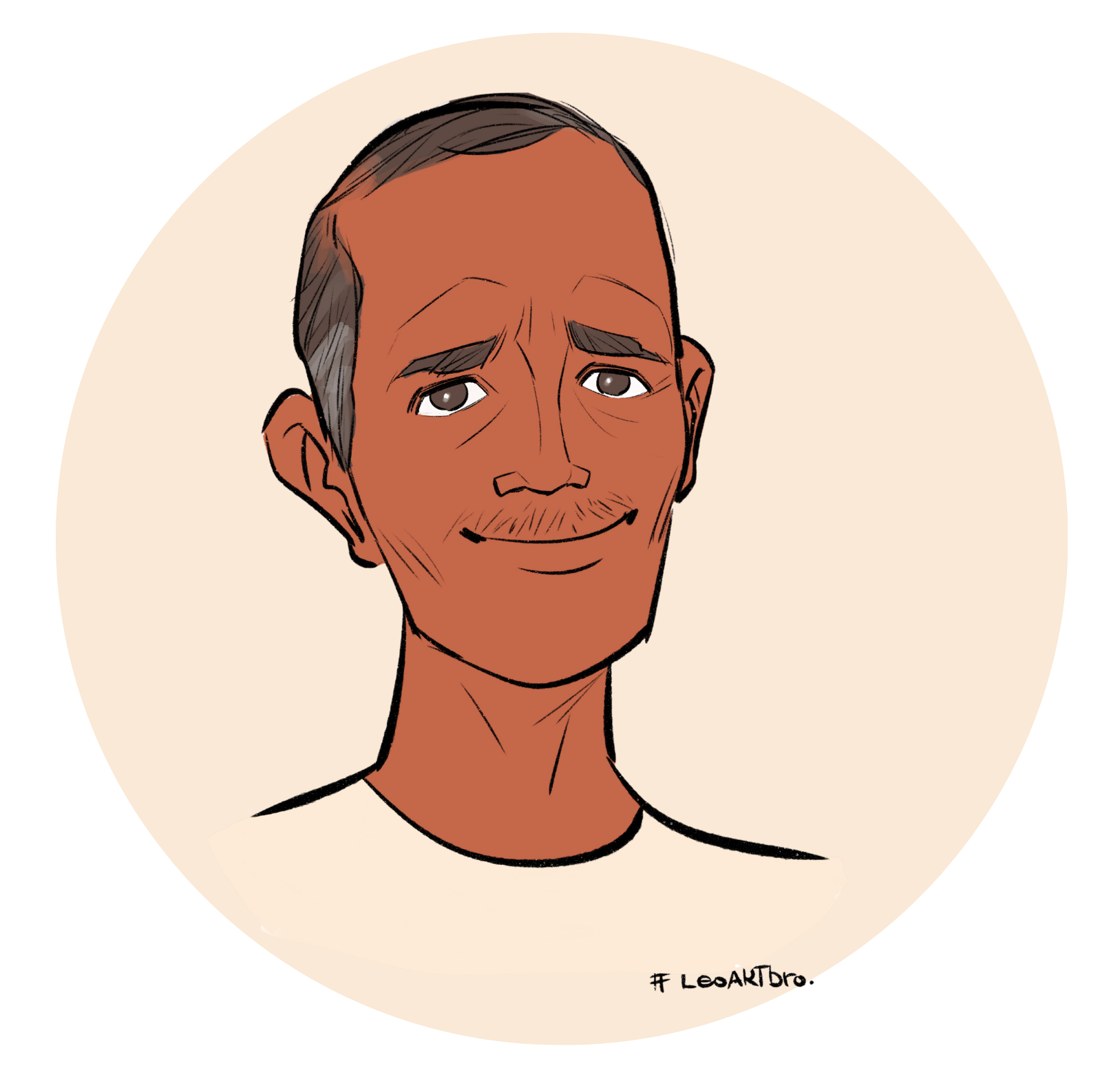
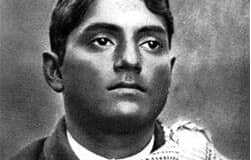
Jatindra Nath Mukherjee was a freedom fighter
Jatindra Nath Mukherjee was the principal leader of the Yugantar party that was the central association of revolutionaries in Bengal. Having met the German Crown-Prince in Calcutta shortly before World War I, he obtained the promise of arms and ammunition from Germany; as such, he was responsible for the planned German Plot during World War I.
Another of his original contributions was the indoctrination of the Indian soldiers in various regiments in favor of an insurrection. He sacrificed his life in his struggle to free India.
After passing the Entrance examination in 1895, Jatin joined the Calcutta Central College (now Khudiram Bose College), to study Fine Arts. At the same time, he took lessons in steno typing with Mr Atkinson: this is a new qualification opening possibilities of a coveted career. Soon he started visiting Swami Vivekananda, whose social thought, and especially his vision of a politically independent India indispensable for the spiritual progress of humanity had a great influence on Jatin.
He organized secret groups of revolutionaries in many parts of Bengal to fight the British and sought recruits from the British army to start a rebellion. The British police finally caught up with him near Balasore where a gun battle ensued and Jatin was wounded. He died in the Balasore hospital later of his wounds.
In 1925, Gandhi told Charles Tegart that Jatin, generally referred to as Bagha Jatin (translated as Tiger Jatin), was a divine personality. Tegart himself is purported to have told his colleagues that if Jatin were an Englishman, then the English people would have built his statue next to Nelsons at Trafalgar Square. In a 1926 note to J.E. Francis of the India Office, he described Bengali revolutionaries as the most selfless political workers in India. Sir Charles Augustus Tegart (5 October 1881 6 April 1946) was an Anglo-Irish police officer who served extensively in British India and Palestine.